
 GET A QUOTE

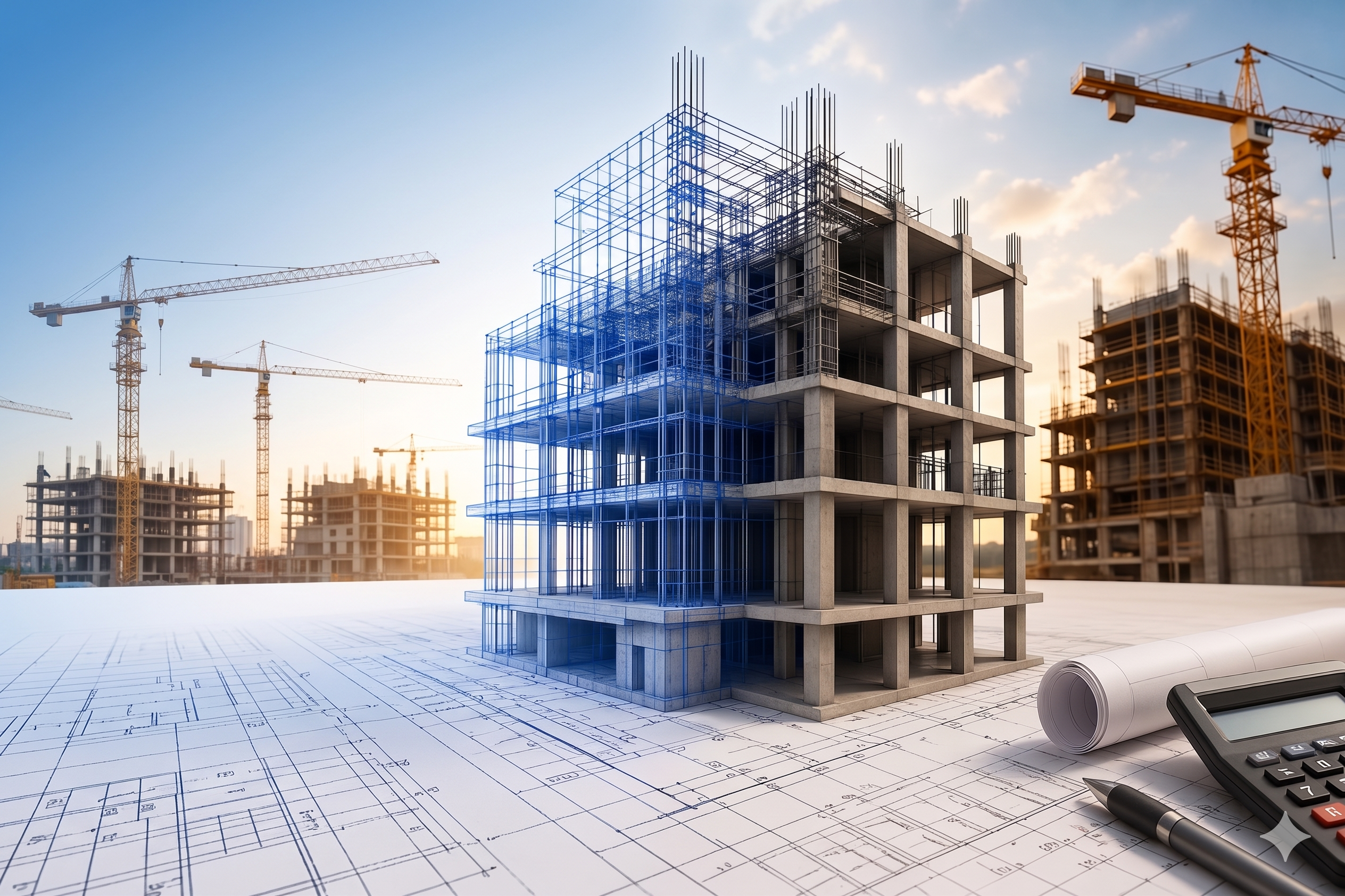
Structural design is the foundation of every construction project. Errors at the design stage do not simply remain on paper  they translate into costly rework, material waste, delayed schedules, and in serious cases, structural failures that compromise safety. Ensuring accuracy before construction begins is not just good practice; it is a professional obligation.
Design inaccuracies discovered during or after construction are exponentially more expensive to correct than those identified at the drawing stage. A miscalculated beam section, an incorrect load path, or an overlooked wind load combination can require dismantling completed work, repricing materials, and re-engaging fabricators  all while the project clock continues to run.
Studies in construction management consistently show that design-related rework accounts for a significant proportion of overall project cost overruns. Investing in thorough structural analysis and quality-checked design documentation at the outset is the most reliable cost-reduction strategy available.
--- VHS Engineering Team"A structurally sound design begins with accurate analysis, clear documentation, and a thorough review process  not shortcuts."
Every structural design must account for dead loads, live loads, wind forces, seismic conditions, and any project-specific dynamic or environmental effects. Skipping or underestimating any one of these can compromise structural integrity. Designs must comply with applicable codes  IS, AISC, Eurocode, or AS  depending on the project location and client requirements.
VHS Engineering performs rigorous load combinations and code-compliance checks for every project, ensuring designs meet both safety margins and practical constructability requirements.
Structural design does not exist in isolation. It must align with architectural intent, MEP (mechanical, electrical, plumbing) requirements, and site conditions. A column located for structural efficiency may conflict with a mechanical duct or an architectural opening. Identifying and resolving these conflicts during design  rather than on site  protects project schedules and client relationships.
Using BIM (Building Information Modelling) as part of the structural design workflow enables real-time clash detection and coordination across all disciplines, reducing the risk of on-site surprises.
Design accuracy extends beyond calculations to the quality of drawings and specifications issued for construction. Ambiguous notes, missing section details, or inconsistent revision marking are common sources of on-site errors and contractor RFIs. Comprehensive, clearly annotated structural drawings reduce interpretation gaps and support efficient fabrication and erection.
At VHS Engineering, every set of structural design deliverables is reviewed for completeness, clarity, and consistency before issue to clients or downstream teams.
No design process is immune to human error. Independent checking  whether internal peer review or third-party verification  catches oversights that even experienced engineers can miss. A structured review workflow that verifies assumptions, checks calculations, and validates drawing outputs against the design basis is an essential part of quality-assured structural design.
VHS Engineering integrates review checkpoints throughout the design process to ensure deliverables are accurate, coordinated, and construction-ready before they leave our team.